- Home
- High Commission
-
Consular Services
- E-Visa
- Issuing and Accepting Apostilles
- Passport – Fees for Passport and Related Services
- Visa
- Passport
- Registration of birth of a child and grant of Indian citizenship
- Renunciation of Indian Citizenship
- Overseas Indian Citizenship [OCI]
- Miscellaneous Services
- Consular Services Forms
- MADAD
- India has extended eVisa to Cyprus nationals for visiting India for tourism purposes
- Guidelines for Applicants for Registering Grievance
- Details of Death of Indians
- Advisory
- e-Clearance for Afterlife Remains eCARe portal
- CONTACT US
- Media
- India - Cyprus
- BUSINESS AND INVESTMENT CENTRE
- Bureau of Immigration of India
- Citizen's Corner
Events/Photo Gallery
Rhythms of Rajasthan brings the colours and traditions of India to Nicosia
August 18, 2026
Rhythms of Rajasthan brings the colours and traditions of India to Nicosia
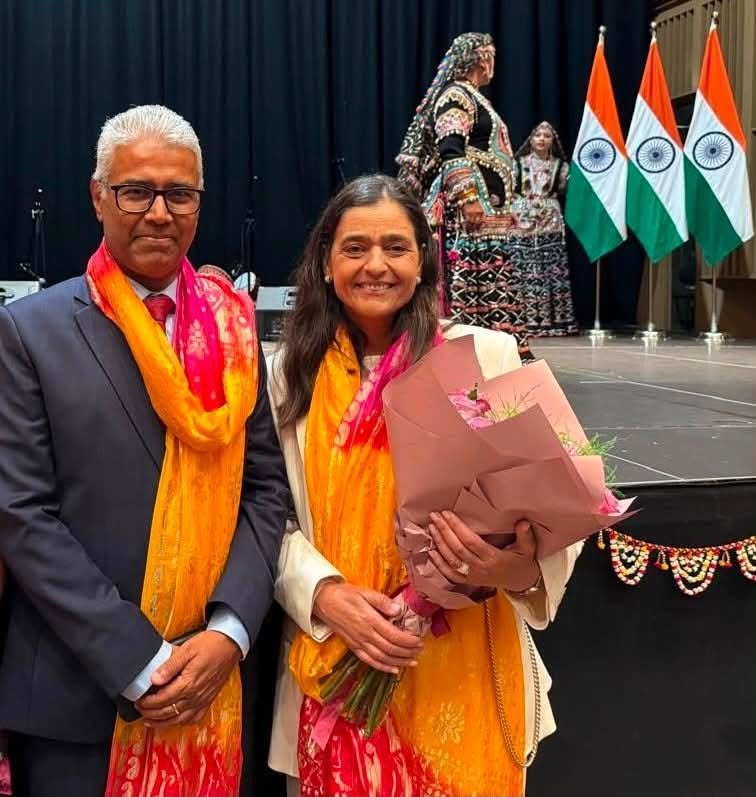
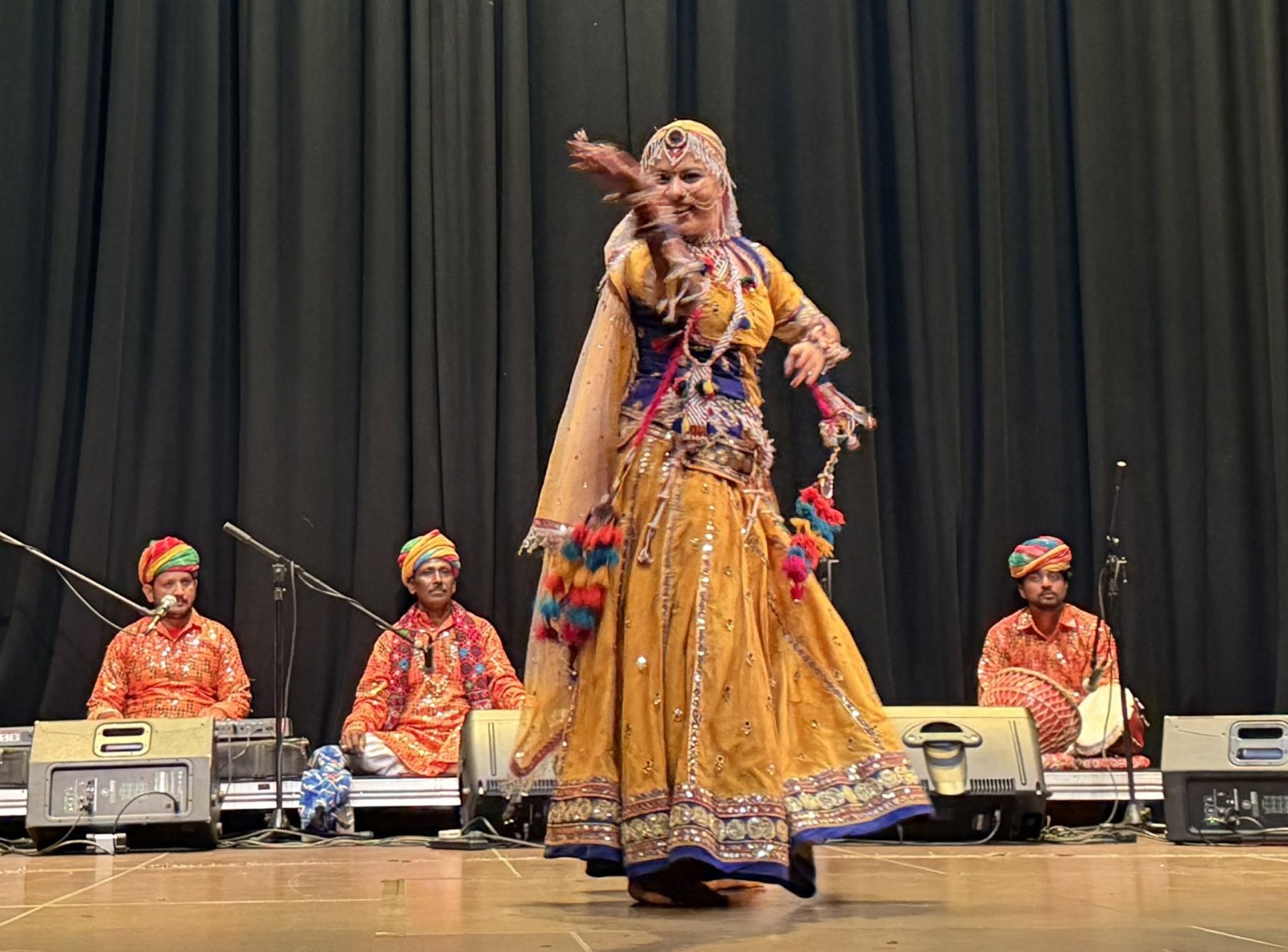
The High Commission of India in Cyprus organised “Rhythms of Rajasthan” at the historic Pallas Theatre in Nicosia on 18 August 2026 as part of celebrations marking the 80th Independence Day of India. The event brought together over 230 guests, including members of the diplomatic community, Cypriot dignitaries, the Indian community and friends of India.
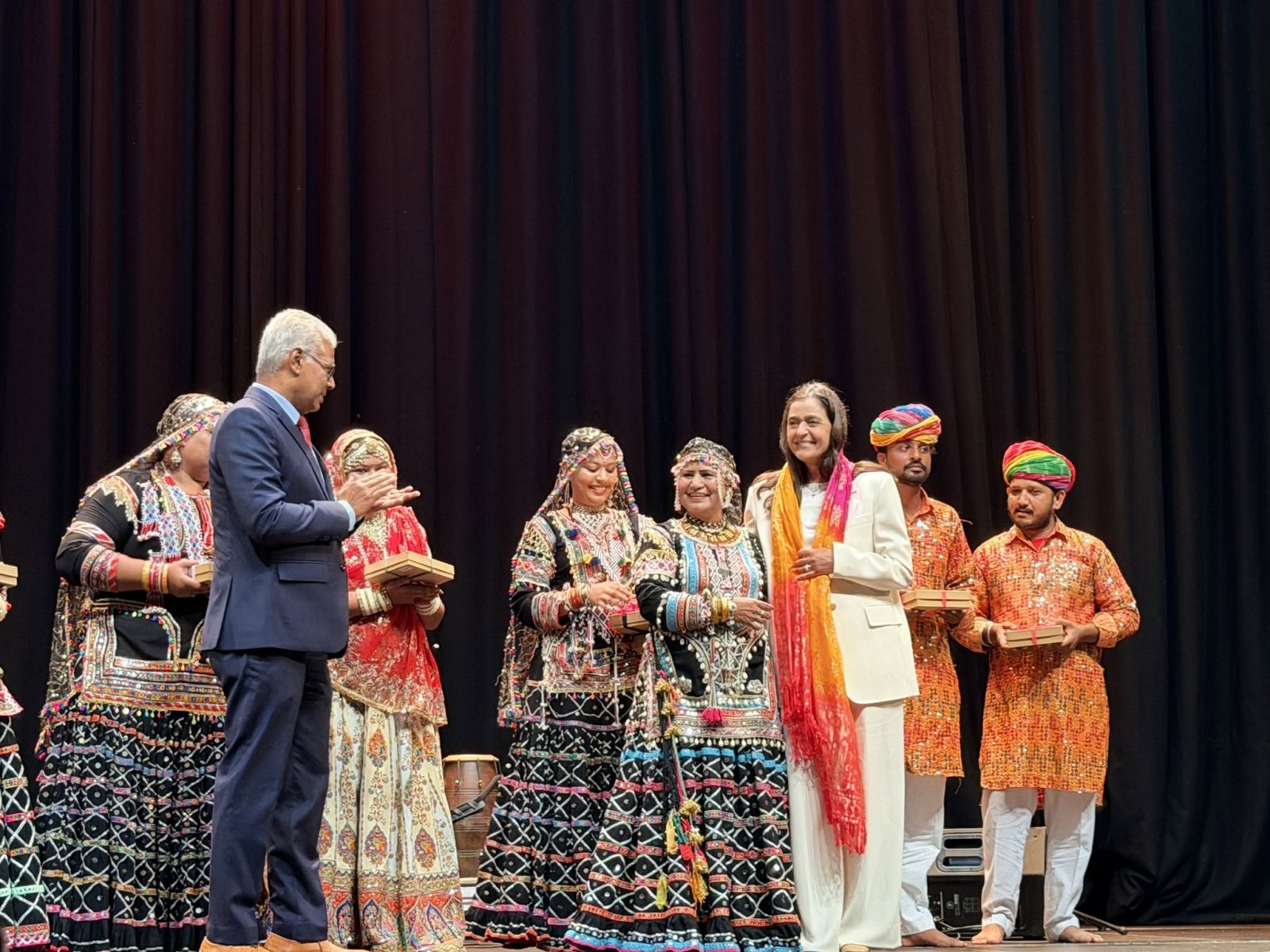
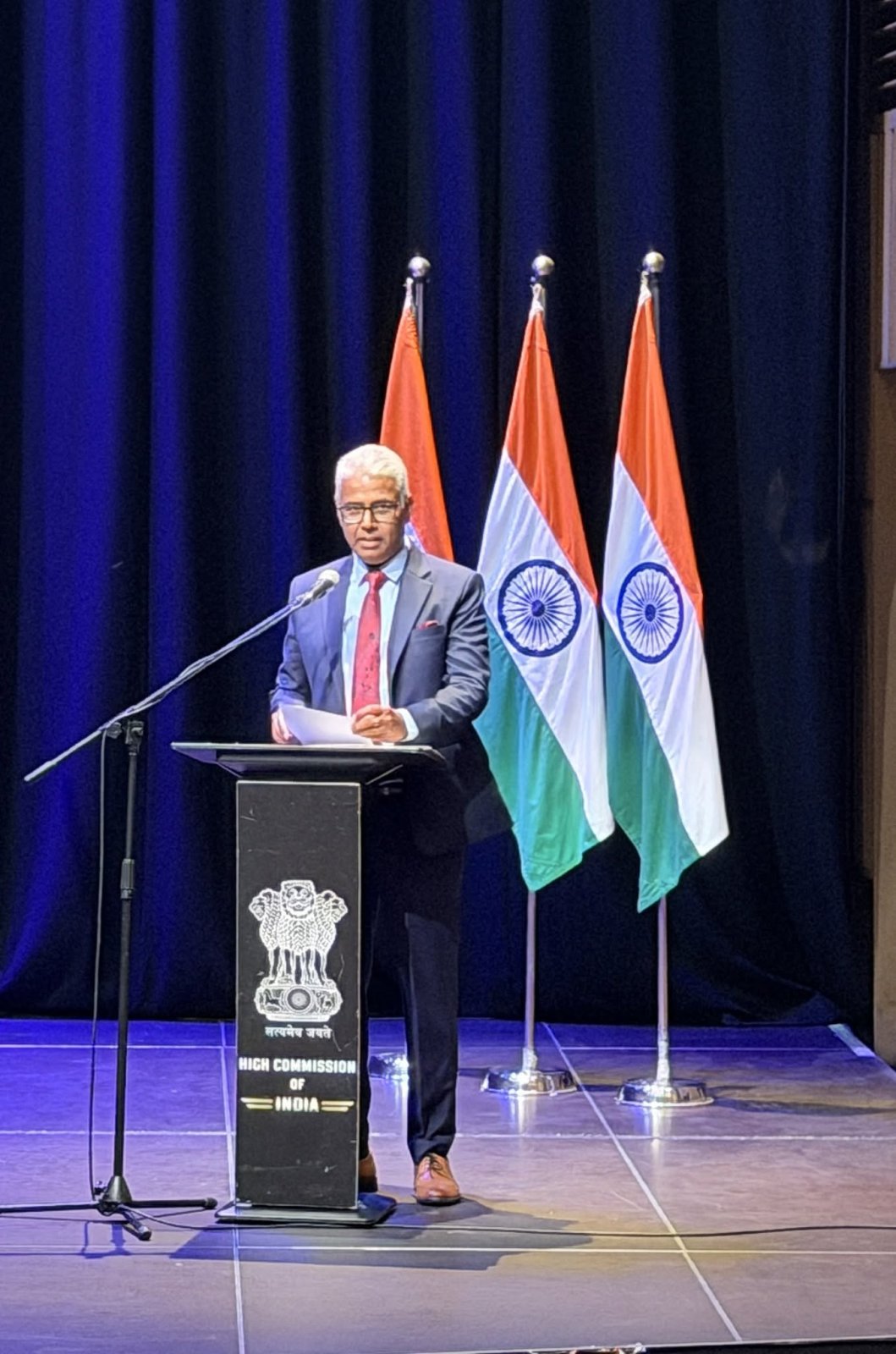
High Commissioner of India Mr. Manish welcomed the Chief Guest, H.E. Dr Clea Hadjistephanou Papaellina, Deputy Minister of Culture of the Republic of Cyprus, along with Ambassadors and other distinguished guests.
In his remarks, the High Commissioner highlighted the importance of preserving and passing on India’s rich cultural heritage to future generations and underlined the role of culture in strengthening people-to-people ties between India and Cyprus.
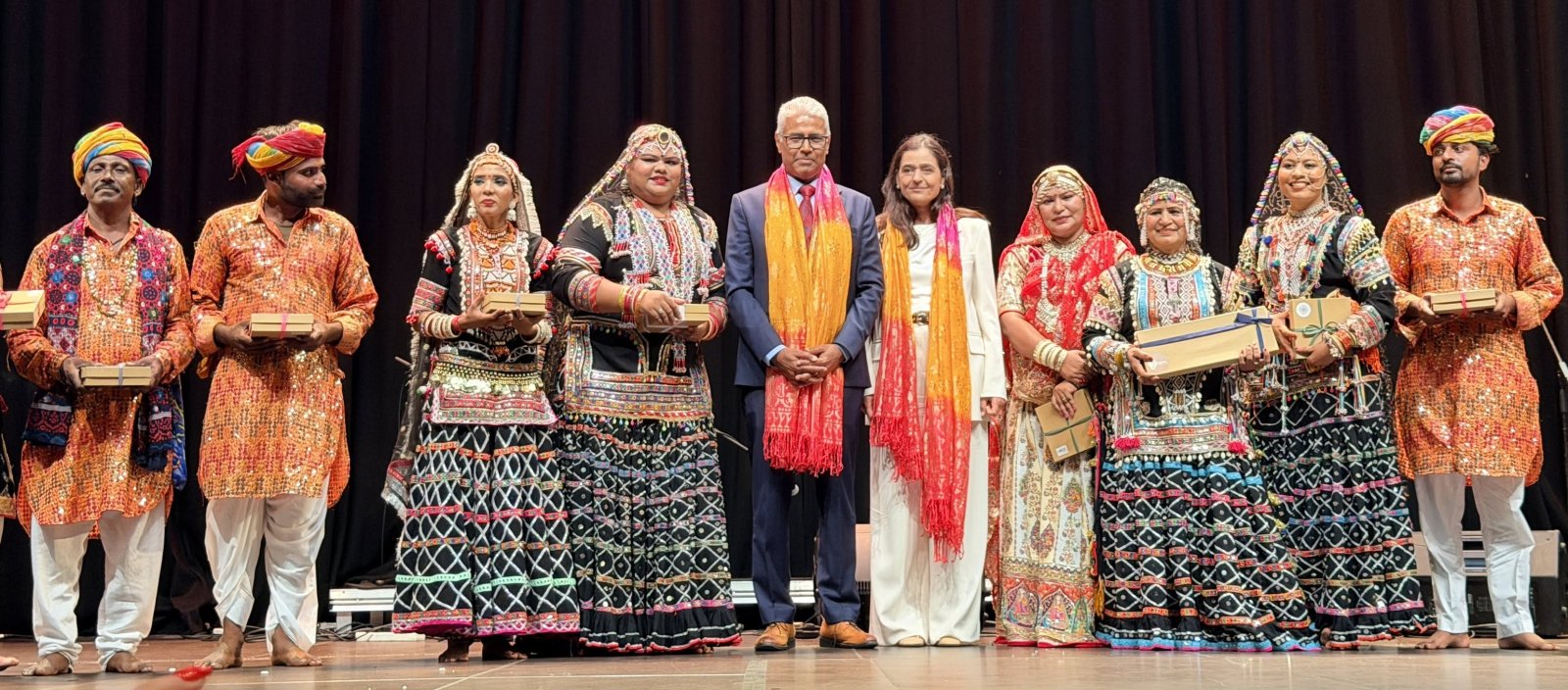
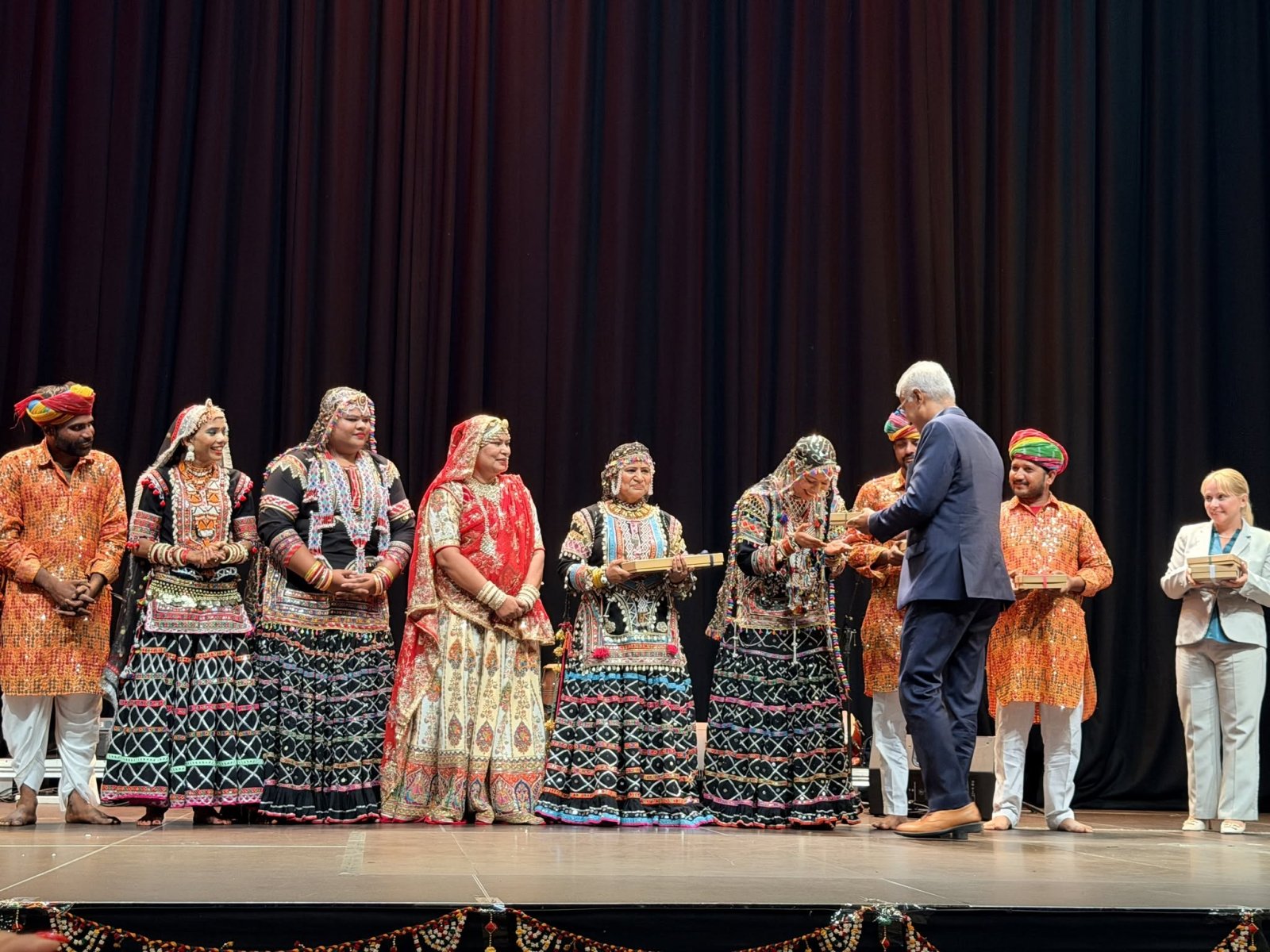
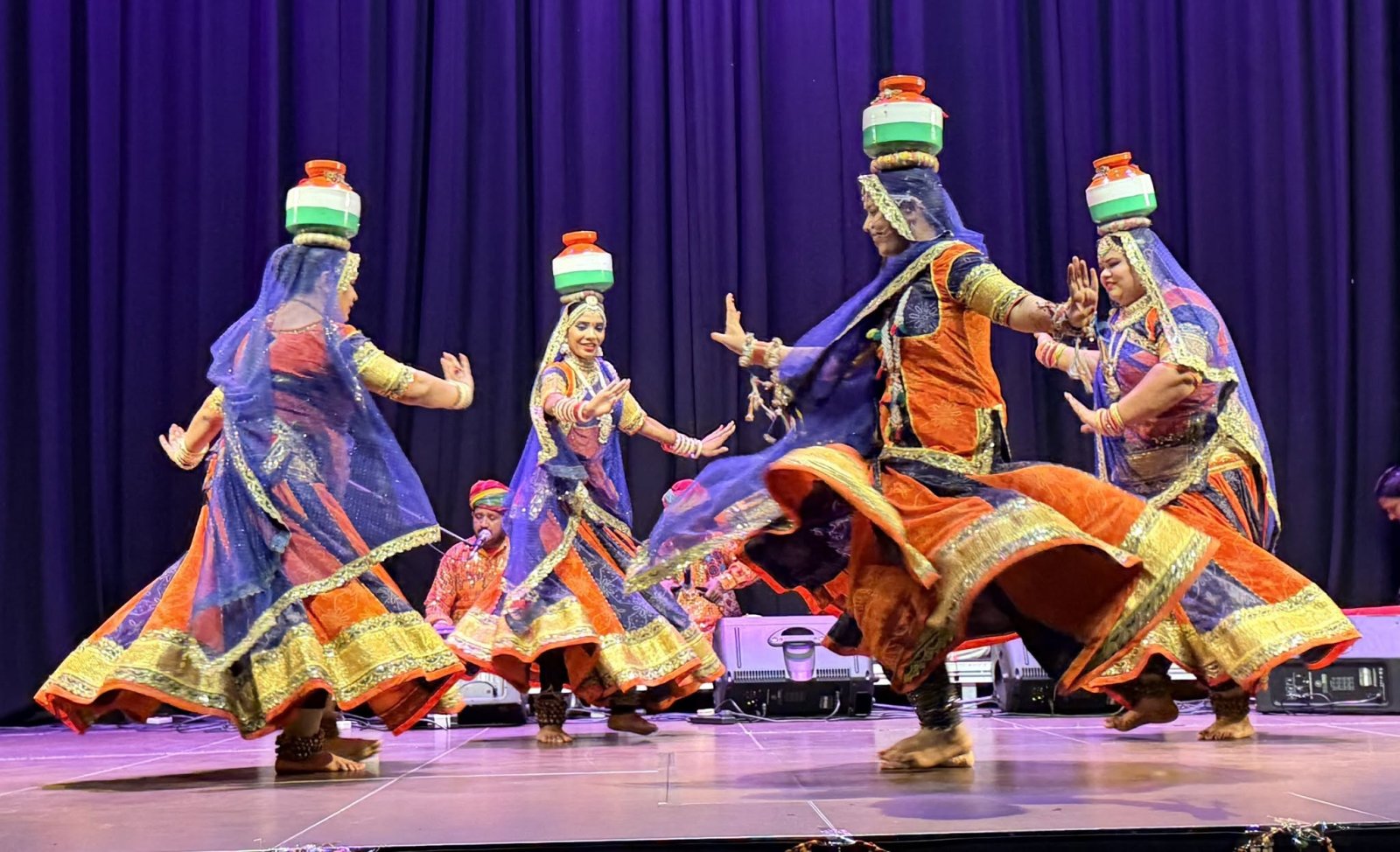
The evening showcased the vibrant living traditions of Rajasthan through a series of folk music and dance performances by Rakhi Sapera and Troupe, whose visit to Cyprus was facilitated by the Indian Council for Cultural Relations (ICCR).
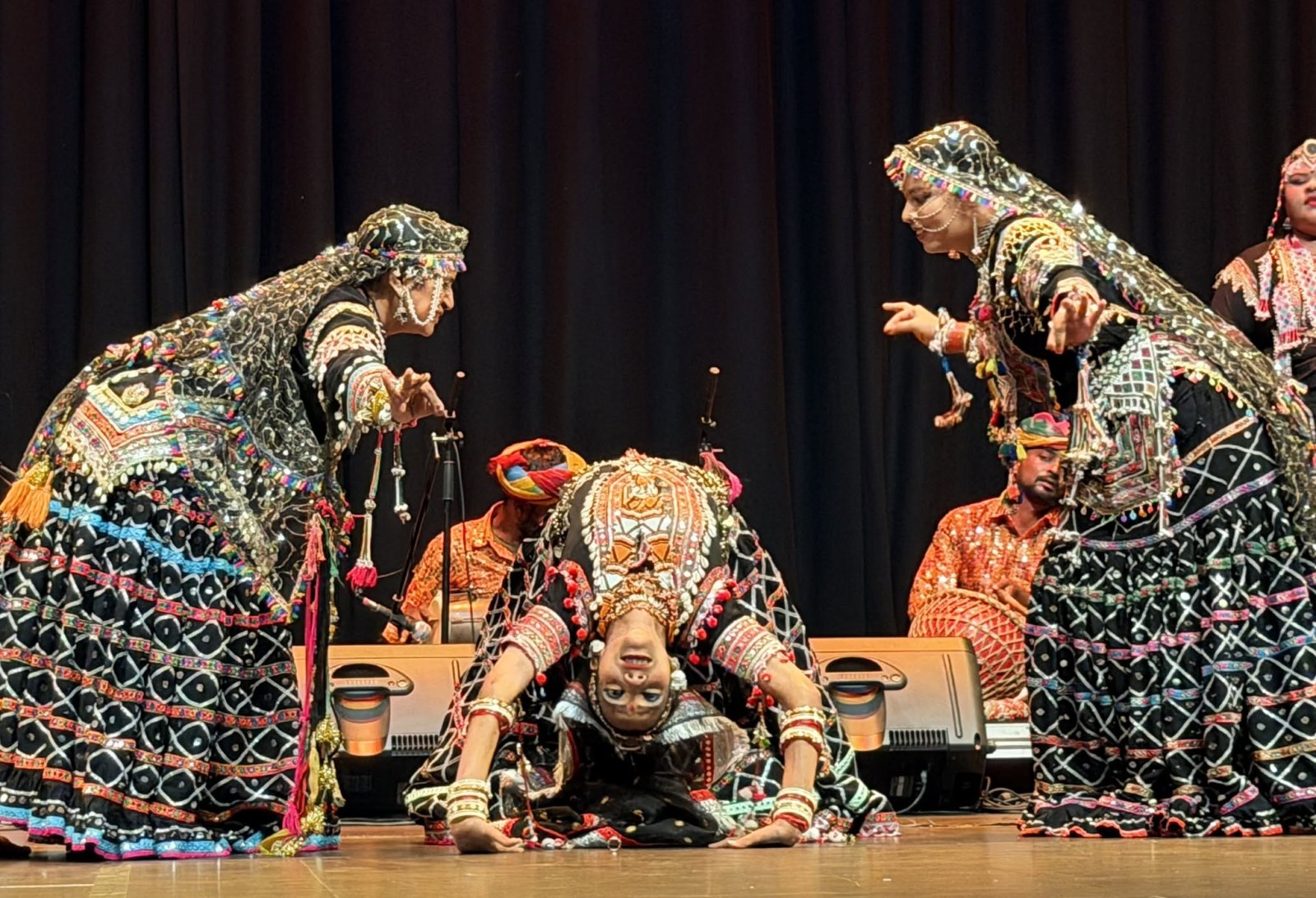
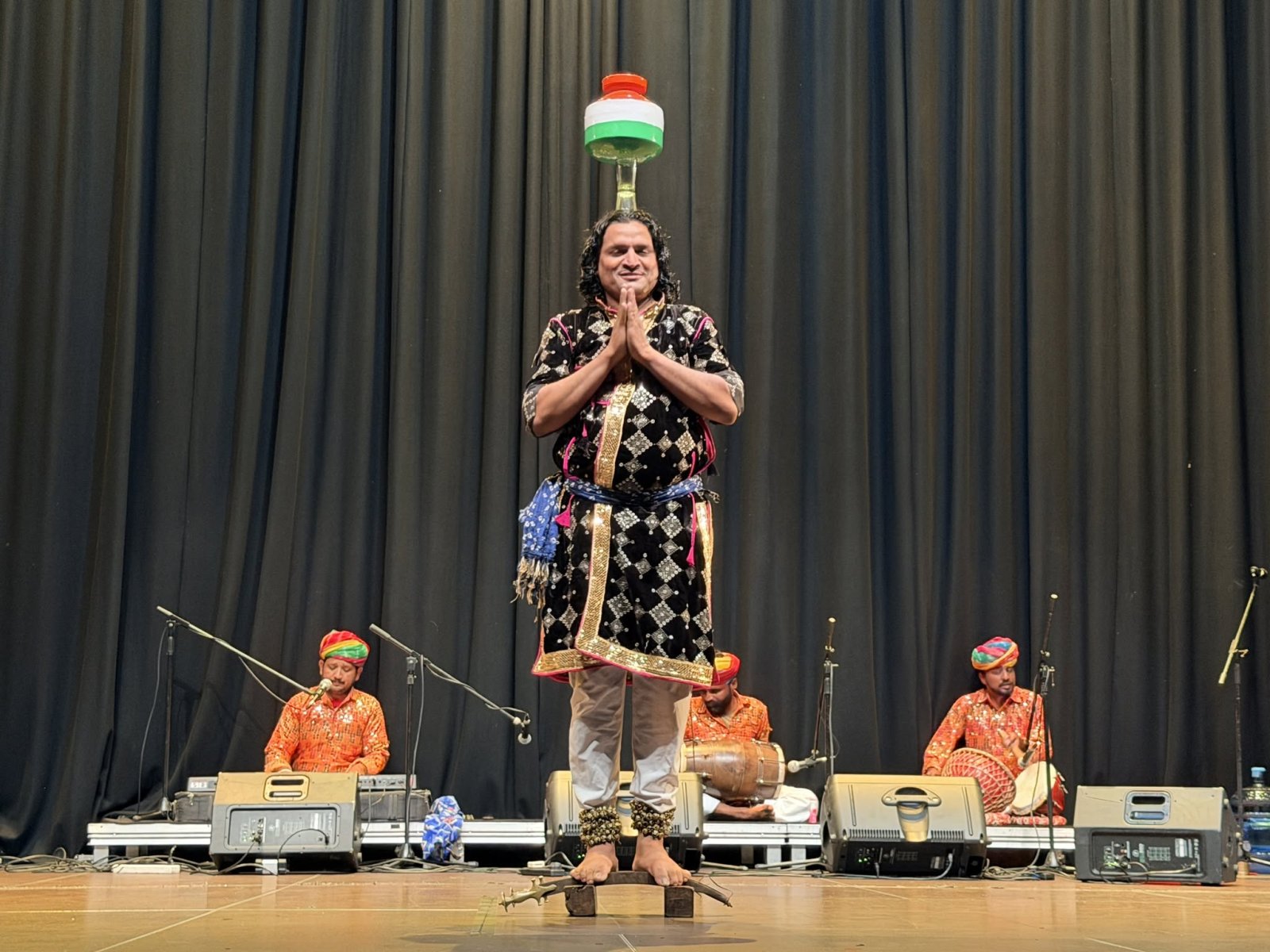
The programme featured several distinctive traditions of Rajasthan, including Chari, in which dancers display remarkable balance while carrying pots on their heads; Ghoomar, known for its graceful circular movements and colourful swirling costumes; and Bhavai, an extraordinary display of concentration and balance that included a performance on a sword and nails.
A major highlight of the evening was Kalbelia, one of Rajasthan’s best-known living folk traditions. Kalbelia folk songs and dances were inscribed on UNESCO’s Representative List of the Intangible Cultural Heritage of Humanity in 2010. The occasion was made particularly special by the presence of Padma Shri Smt. Gulabo Sapera, one of India’s most celebrated exponents of the Kalbelia tradition.
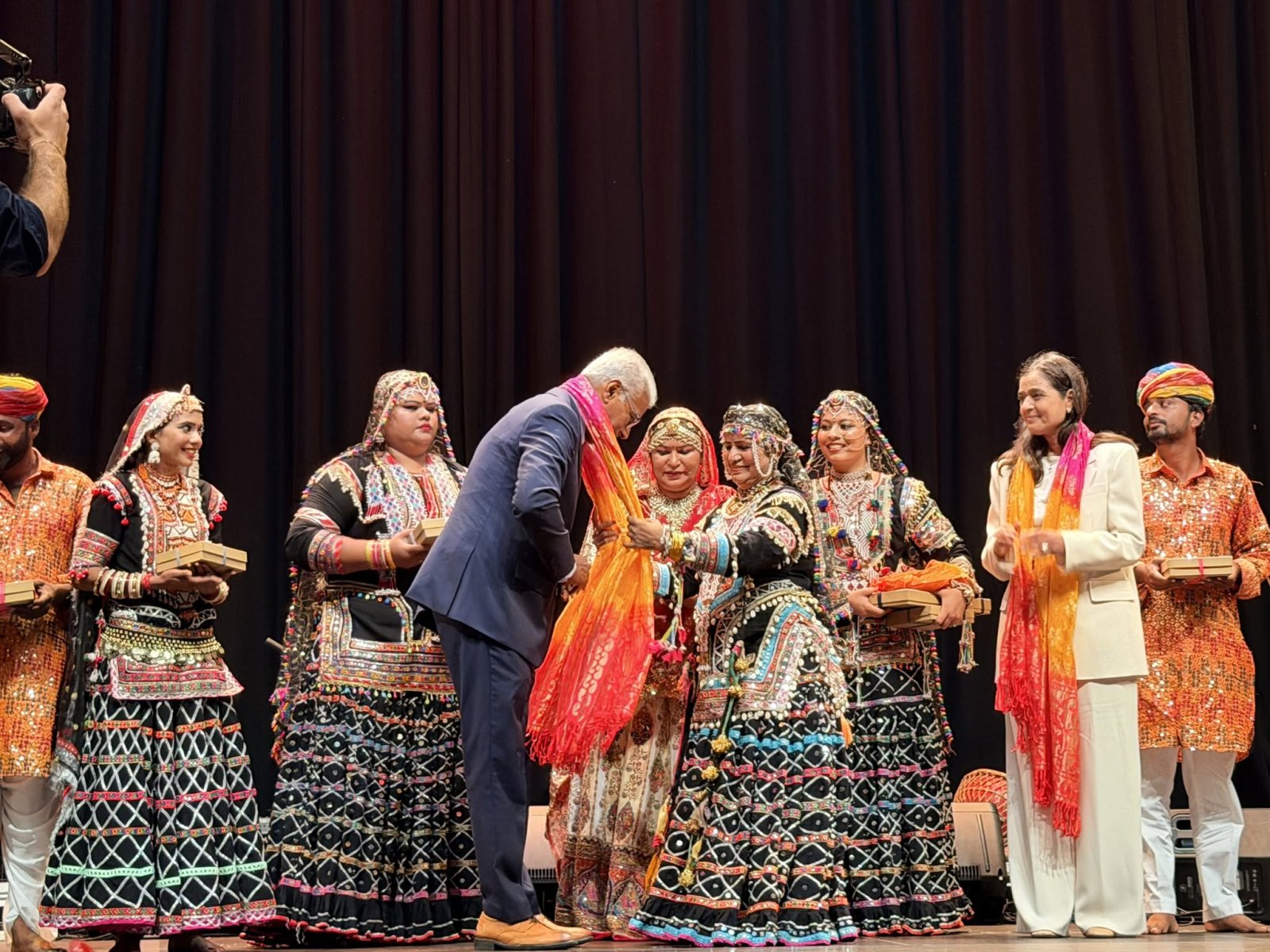
The programme also reflected the important role played by women artists in preserving, transmitting and taking India’s traditional cultural forms to wider audiences across generations.
One of the most engaging moments of the evening came when members of the audience joined the artists on stage and learnt Rajasthani folk dance steps, turning the performance into an opportunity for direct cultural participation and interaction.
At the conclusion of the programme, the High Commissioner and the Deputy Minister of Culture presented tokens of appreciation to the participating artists.
The evening offered the audience an opportunity to experience the music, movement, colours and traditions of Rajasthan while further strengthening the growing cultural and people-to-people connections between India and Cyprus.